Structures

My structural engineering work spans conventional code‑based design through advanced nonlinear and dynamic analysis. I focus on identifying governing mechanisms, selecting appropriate analytical fidelity, and interpreting results in a way that directly informs engineering decisions.

Focus Areas

Structural Design: From Code‑Based to Advanced Analysis

Design and verification of structural systems ranging from standard code‑based workflows to high‑fidelity nonlinear simulation where demands involve large deformation, contact/impact, or dynamic response. Emphasis is placed on selecting the analytical fidelity appropriate for the decision and maintaining auditable assumptions.

Performance‑Based Assessment & Retrofit Reasoning

Evaluation of existing structures with focus on identifying governing behavior, bounding uncertainty, and comparing retrofit alternatives using decision‑relevant performance metrics and traceable analytical assumptions.

The goal is not “more modeling” — it is making modeling reliable enough that decisions can be defended.

Methods & Tools

Structural problems are approached using engineering judgment, simplified bounding analyses, and detailed numerical simulation—each applied at the level of fidelity appropriate to the decision. I develop tooling and automation to support repeatable workflows, reduce manual error, and strengthen traceability.

Structural Analysis & Design Platforms

Conventional analysis and design using CSI software (SAP2000, ETABS, SAFE) for load combinations, design checks, and structural behavior interpretation.

Advanced Finite Element Analysis

High‑fidelity nonlinear analysis using tools such as Abaqus and LS‑DYNA for material nonlinearity, contact, impact, large deformation, and nonlinear dynamics.

Automation & Model Tooling

Development of pre/post‑processing tools and API‑driven workflows for model generation, parametric studies, results extraction, QA/QC, and reporting.

Work Examples

Selected examples are shown using concise descriptions and non‑proprietary illustrative figures.

Structural Analysis & Design

Port & Maritime Structures

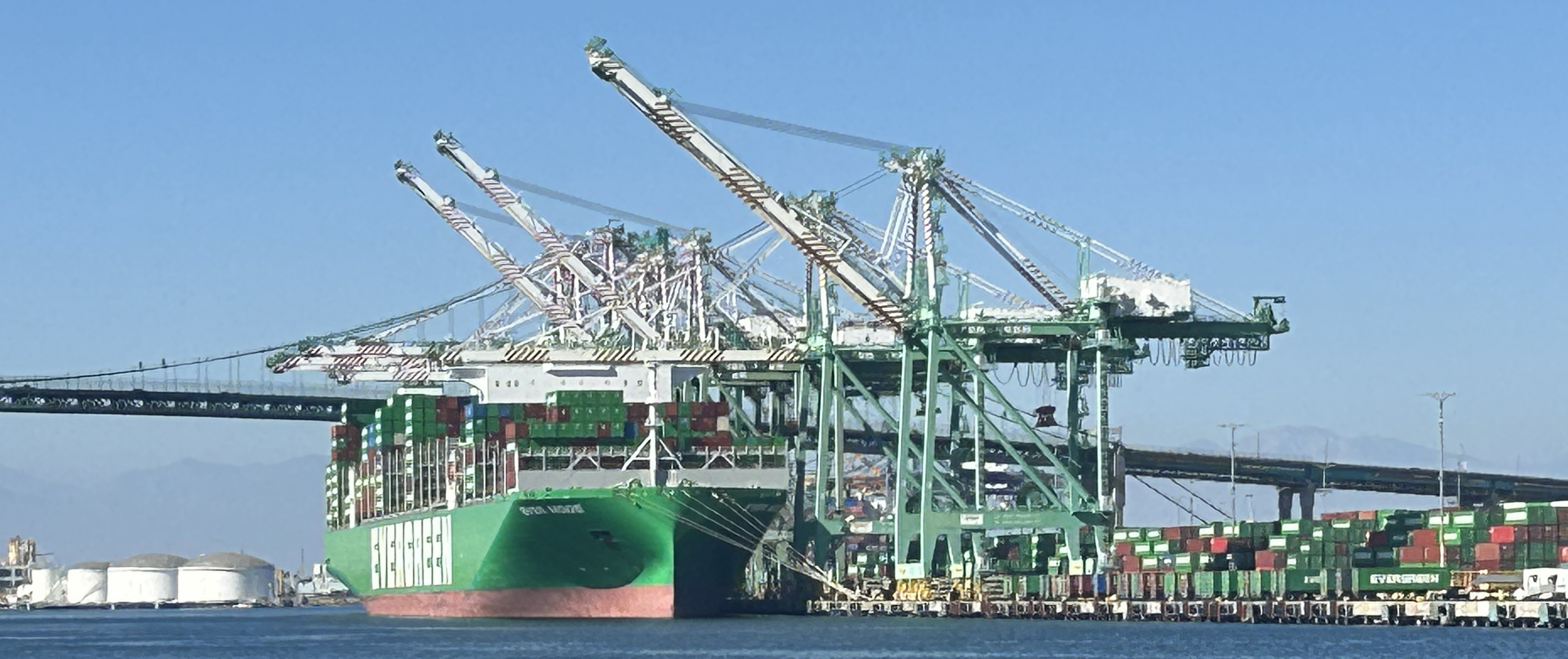
Analysis and design of piers, wharves, seawalls, bulkheads, and dolphin systems using applicable waterfront criteria (ASCE 61, UFC 4‑152, MOTEMS, and POLB Wharf Design Criteria). Nonlinear assessment methods (including FEMA/ATC‑style procedures) are used where needed for performance evaluation or retrofit decision‑support.

Figure area (add later)

Special Structures

Advanced analysis for offshore and nearshore systems including nonlinear dynamic response, interaction effects, hydrodynamic loading, and impact. Example work includes wind turbine foundations, submerged energy systems, and offshore anchor systems (suction, drag, plate, torpedo), applying international offshore standards (DNV, ABS, Eurocodes).

Figure area (add later)

Structural Assessment, Rehabilitation & Retrofit

Seismic Evaluation & Rehabilitation of Buildings

Experience includes performance‑based evaluation using FEMA 356 and ATC 40 nonlinear assessment procedures to characterize structural behavior and support rehabilitation decisions.

Figure area (add later)

Assessment & Load Rating of Port/Nearshore Structures

Assessment and rehabilitation planning for existing waterfront structures using criteria such as ASCE 61, UFC 4‑152, MOTEMS, and POLB WDC. Nonlinear displacement‑based methods are applied where needed to support retrofit comparisons and operational decision‑making.

Figure area (add later)

Rehabilitation of Large‑Scale Infrastructure

Evaluation and retrofit of Navy and defense‑related waterfront systems where nonlinear response and soil–structure interaction govern. Analyses have used Abaqus and LS‑DYNA with nonlinear material behavior, advanced meshing, and large‑deformation formulations, supported by Python‑based pre/post‑processing for repeatable workflows.

Figure area (add later)
Codes and standards are referenced within examples where relevant.